Dubai offers endless opportunities for career growth, entrepreneurship, and personal development. Yet, balancing professional ambitions with relationships, family responsibilities, and personal wellbeing can be challenging. Even when you appear successful, you may feel uncertain about your next step, struggle to maintain healthy boundaries, or find yourself repeating habits that prevent you from reaching your goals.
Life coaching can offer a structured space to reflect on these challenges, clarify your priorities, and explore practical ways forward. However, choosing a coach is not simply about finding someone with an impressive website or motivational social media presence. The right fit depends on their training, experience, coaching approach, and ability to understand what you want to achieve.
If you are wondering how to choose a life coach in Dubai, this article will help to evaluate your options carefully before committing to sessions or a long-term programme. Asking the right questions can help you understand how a coach works, what you can reasonably expect, and whether their approach aligns with your needs.
How to Choose a Life Coach in Dubai?
Before booking an initial consultation, identify the qualities that matter most to you. A suitable coach should be transparent about their professional background, clear about their services, and willing to discuss whether coaching is appropriate for your circumstances.
-
Relevant Training and Recognised Credentials
Life coaching qualifications vary, so take time to understand a practitioner’s training and professional credentials. Ask about the coach’s qualifications, practical experience, and any ongoing professional development. If they use additional approaches, such as mindfulness, emotional intelligence exercises, or neuro-linguistic programming (NLP), ask what training they have completed and how those methods are used.
A certificate alone does not guarantee that a coach is right for you. Consider their experience, communication style, ethical boundaries, and willingness to explain their methods.
-
Experience Relevant to Your Situation
The best coaching relationship is one that reflects your individual goals rather than relying on a generic formula. If you are navigating a career transition, for example, you may prefer someone experienced in professional development. If your priorities involve confidence, personal boundaries, or work-life balance, look for a coach whose experience aligns with those areas.
During an initial conversation, explain your main goal and ask how the coach would typically approach similar situations. Their response should help you understand whether they have relevant experience without making unrealistic promises about your results.
-
A Clear Coaching Approach and Professional Boundaries
A coach should be able to explain how sessions work and what their approach involves. Some focus on goal-setting and accountability, while others incorporate reflective exercises or broader personal development practices.
There is no single method that suits everyone. What matters is that the approach is clearly explained, relevant to your goals, and used within the practitioner’s training and competence.
Professional boundaries are equally important. Life coaching is not a substitute for clinical mental health care. If you are experiencing significant emotional distress or need mental health assessment, seek an appropriately qualified professional. An ethical life coach should recognise the limits of their role and recommend other support when necessary.
7 Questions to Ask a Life Coach Before You Commit
Many coaches offer an introductory or discovery call. Treat this as an opportunity to assess compatibility, understand the service, and decide whether you feel comfortable working together. You are not simply explaining your goals; you are also evaluating whether the coach is a suitable professional for you.
The following are seven important questions to ask a life coach before making a decision.
-
What Training and Coaching Methodology Do You Use?
Ask about the coach’s formal training, credentials, and the methods they use during sessions. Do they focus on structured goal-setting, reflective conversations, accountability, or a combination of approaches?
A clear explanation helps you understand what the experience may involve. It also gives you an opportunity to decide whether their methods suit your personality and expectations.
-
Have You Worked With People Who Have Goals Similar to Mine?
Explain what you hope to achieve, whether it involves career development, greater confidence, improved boundaries, or a clearer sense of direction. Ask about the coach’s experience supporting people with comparable goals.
They should be able to describe their general approach without disclosing confidential information about other clients. You do not need someone who has experienced your exact circumstances, but relevant experience can help you assess their suitability.
-
How Do You Distinguish Life Coaching From Therapy or Mentoring?
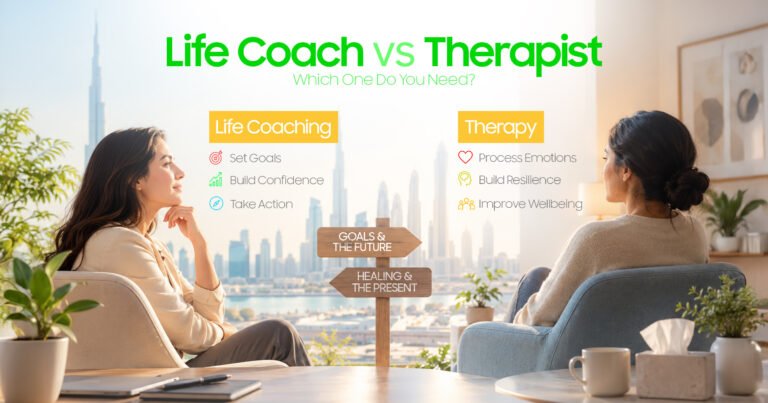
This question helps establish whether the coach understands the boundaries of their role. Life coaching typically centres on personal development, goals, and forward movement. Mentoring often involves sharing professional knowledge or experience, while therapy may address emotional difficulties and mental health concerns within a qualified practitioner’s scope of practice.
A responsible coach should explain what they can offer and when another type of support may be more appropriate. Be cautious if they claim to diagnose or treat mental health conditions without the required qualifications and authorisation.
-
What Does Your Coaching Programme Include?
Before signing up, ask how the service is structured. Find out how long sessions last, how frequently they take place, whether the programme has a set duration, and what happens between appointments.
You should also clarify the fees, cancellation policy, rescheduling arrangements, and whether messaging support is included. If you prefer online sessions or need flexibility around working hours, discuss those requirements in advance.
There is no universal ideal programme length. The structure should make sense for your goals, availability, and budget rather than requiring you to purchase more sessions than you need.
-
How Will We Review My Progress?
Coaching should give you a way to reflect on whether the process is helping. Ask how goals are established, how progress is reviewed, and what happens if your priorities change.
Depending on your objectives, progress might involve completing agreed actions, making decisions with greater clarity, establishing a consistent routine, or feeling more confident about setting boundaries. Not every outcome can be measured numerically, but your coach should help you identify meaningful signs of progress.
Be wary of anyone who guarantees a particular personal, professional, or financial result. A coach can provide guidance and accountability, but outcomes depend on many factors, including your circumstances and choices.
-
What Will You Expect From Me During Coaching?
Coaching is a collaborative process. Your coach may encourage you to reflect honestly, consider unfamiliar perspectives, and follow through on actions between sessions. Ask how they balance encouragement with constructive challenge and what happens if you struggle to meet a goal.
This conversation helps establish expectations from the beginning. You should feel able to speak openly, ask questions, and disagree without being shamed or pressured.
A good coaching relationship supports your independence. It should help you make informed choices rather than make you feel that you cannot move forward without the coach.
-
Can You Share Testimonials or Explain the Outcomes Clients Commonly Work Towards?
Client testimonials, professional references, or examples of previous work may help you understand a coach’s approach. Ask whether they can share relevant feedback or describe the types of goals clients commonly pursue.
Keep in mind that testimonials are individual experiences, not guarantees that you will achieve the same results. Respect for client confidentiality may also limit the details a coach can share.
Consider testimonials alongside other factors, including training, professional boundaries, transparent fees, and how comfortable you feel during your initial conversation.
Life Coach Red Flags You Should Not Ignore
Knowing what to look for in a life coach also means recognising warning signs. An appealing brand or persuasive sales pitch should never outweigh your judgement about someone’s professionalism and suitability.
Watch for these common life coach red flags:
- Guaranteed results: Promises that you will achieve a specific income, transform your life within a fixed period, or resolve every personal difficulty are unrealistic. Coaching outcomes cannot be guaranteed.
- High-pressure sales tactics: Be cautious if you are pushed to purchase an expensive package immediately, offered a supposedly limited opportunity to force a decision, or made to feel guilty for asking about fees.
- Unclear qualifications: A coach should be willing to explain their training, credentials, and professional experience. Avoid relying on impressive titles that cannot be substantiated.
- Claims beyond their expertise: Be wary of anyone who presents coaching as a replacement for appropriate mental health care or claims to diagnose and treat clinical conditions without the necessary qualifications.
- Unclear confidentiality arrangements: Before sharing sensitive information, ask how your information is handled, what confidentiality protections apply, and whether any exceptions exist.
- Encouraging dependence: Coaching should support your ability to make your own decisions. A practitioner who insists that only they understand you, discourages outside support, or repeatedly pressures you to buy additional services deserves careful scrutiny.
You should feel respected throughout the process. If a coach dismisses your concerns, avoids reasonable questions, or makes you uncomfortable, you do not have to proceed.
Finding the Right Life Coach for Your Next Chapter
Learning how to find the right life coach involves more than comparing credentials or choosing the most popular practitioner. It means identifying your priorities, asking thoughtful questions, and evaluating whether the coach offers an approach that fits your needs.
Take time to reflect on what you want to change before your first consultation. Consider whether you prefer structured goal-setting, reflective conversations, or a combination of methods. Compare the coach’s experience, fees, session format, and professional boundaries before making a commitment.
If you are interested in exploring personal development through a holistic approach, Soul ’n Purpose offers services for individuals looking to reflect on their goals, understand personal patterns, and make more intentional choices.
Contact us today to explore the available services and determine whether the approach aligns with your personal growth goals.
FAQs
What should I prioritise when choosing a life coach in Dubai?
Start with relevant training, professional credentials, experience with goals similar to yours, and a clear coaching approach. Also consider communication style, fees, confidentiality, and whether the coach respects professional boundaries.
What are the most important life coach red flags?
Major warning signs include guaranteed results, aggressive sales pressure, unclear qualifications, poor confidentiality practices, claims beyond their expertise, and behaviour that encourages dependence on the coach.
How can I find the right life coach if I have a demanding work schedule?
Ask about online and in-person sessions, appointment availability, session frequency, and any support offered between appointments. Choose a structure that fits your schedule without adding unnecessary pressure to your existing commitments.
Why should I prepare questions to ask a life coach before the first session?
Preparing questions helps you understand the coach’s qualifications, methodology, fees, expectations, and approach to measuring progress. It also gives you a chance to assess whether you feel comfortable working with them before making a financial commitment.
How do I know if a life coach is right for me?
You should understand how they work, feel comfortable discussing your goals, and be able to ask questions without pressure. The coach should respect your autonomy, communicate clearly, and be honest about what their services can and cannot provide.